
Insurance Development Forum Paper Calls For Comprehensive, Coordinated, Multi-Party Action by Public and Private Sector Actors to Increase Insurability to Close Protection Gaps
The Insurance Development Forum (IDF) today launches a critical new paper, Increasing Insurability to Close Protection Gaps, outlining the challenges and setting out a comprehensive agenda to address one of the world’s most urgent challenges: the widening divide between insured and uninsured losses from natural catastrophes, or the protection gap.
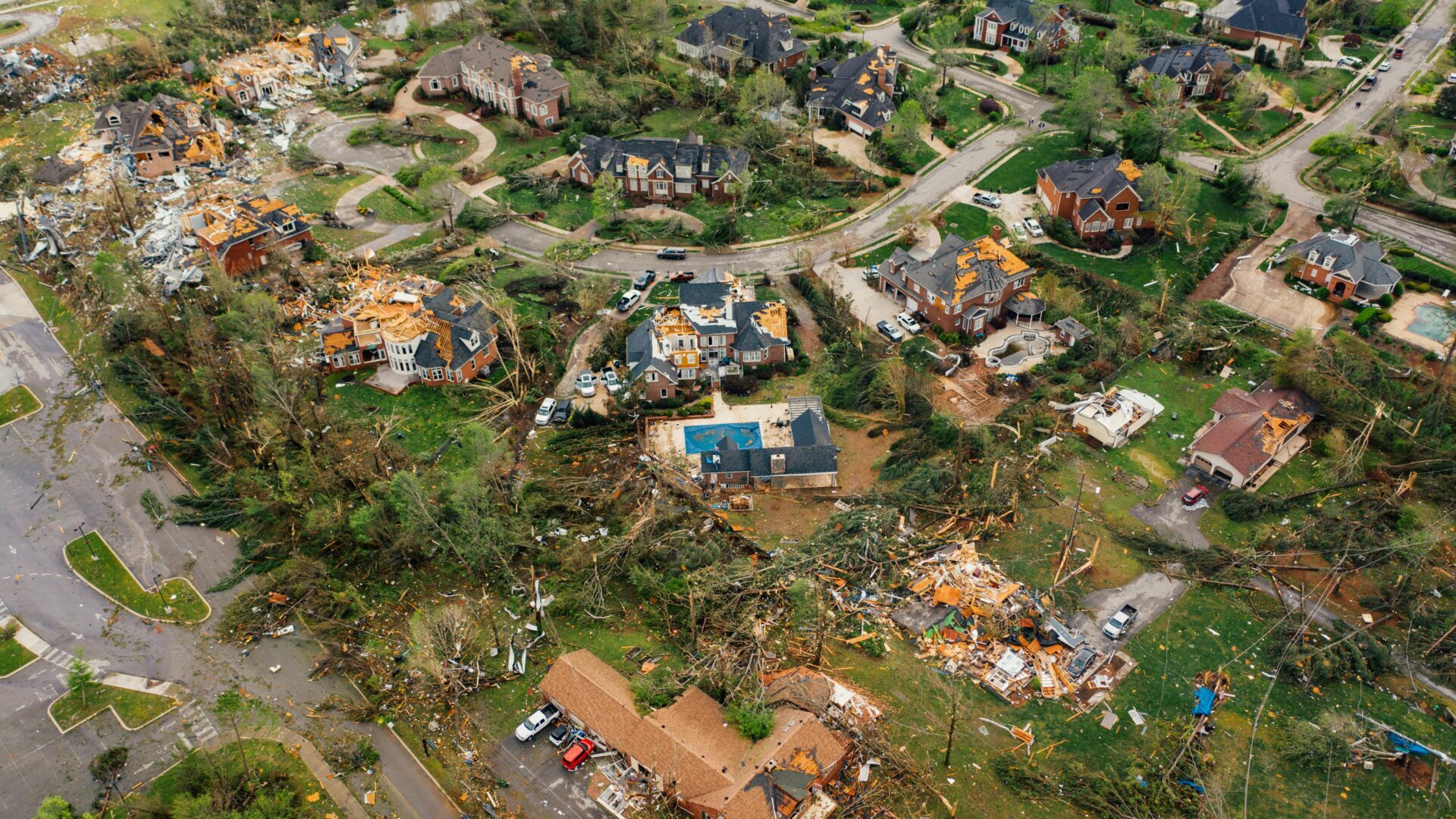
Each year, more than $180 billion in losses from natural disasters go uninsured, with emerging markets and developing economies (EMDEs) bearing the brunt of the economic and development impact. In many of these nations, insurance penetration remains around 3%, leaving governments, companies, and citizens dangerously exposed.
Developed by the Law, Regulation and Resilience Policies Working Group of the IDF, the paper aims to aid understanding of barriers to insurability and what it takes to make a risk insurable. It calls for urgent, coordinated action across governments, regulators, insurers, and development partners to increase insurability and accelerate resilience-building. It provides a practical roadmap with over 50 actionable recommendations for multiple stakeholders to make risks once considered “uninsurable” insurable and enhance national resilience.
Key recommendations include:
- Invest in Risk Reduction to Enhance Affordability: Governments should adopt building codes that enhance NatCat resilience, restrict development in hazard prone areas, invest in open hazard data weather networks, and resilient infrastructure – recognising that reducing risk lowers the cost of insurance.
- Promote Open Data and Risk Literacy: Public investment in hazard and exposure data, paired with targeted education, can build trust and informed demand.
- Strengthen Public-Private Partnerships: Use pooled risk mechanisms, catastrophe backstops, and concessional finance to make insurance available and affordable in vulnerable markets.
- Embed Insurability as a Policy and Regulatory Objective: Regulators and policymakers should explicitly prioritise insurability, insurance market development, and proportional, innovation-friendly regulation.
- Enhance risk and insurance literacy.
- Tailor new products to local needs. Address human behavioural barriers to risk mitigation and the purchase of insurance protection:.
Ekhosuehi Iyahen, Secretary General, Insurance Development Forum, said:
“For too long, we have accepted that large swaths of the world are ‘uninsurable’, leaving their populations unprotected. But ‘uninsurable’ should not be a verdict – it should be a challenge. This paper dares to redefine insurability not as a fixed characteristic of a market, but as a condition we can create through policy, innovation, and collective will. If we make risks once deemed uninsurable insurable, we will have done more than close a financial gap – we will have redefined what it means to protect, partner, and prosper.”
Bill Marcoux, Co-Chair of the Insurance Development Forum Law, Regulation and Resilience Policies Working Group, said:
“If we are serious about closing protection gaps, we must confront insurability head-on. The paper Increasing Insurability to Close Protection Gaps underscores that governments, regulators, the insurance industry, development finance institutions and others all need to act. This paper makes clear that insurability is not static – it can be strengthened through deliberate policy, sound regulation, technical precision, and cross-sector collaboration. The cost of inaction is far greater than the cost of ambition.”